

Buy Kanjivaram Saree Online
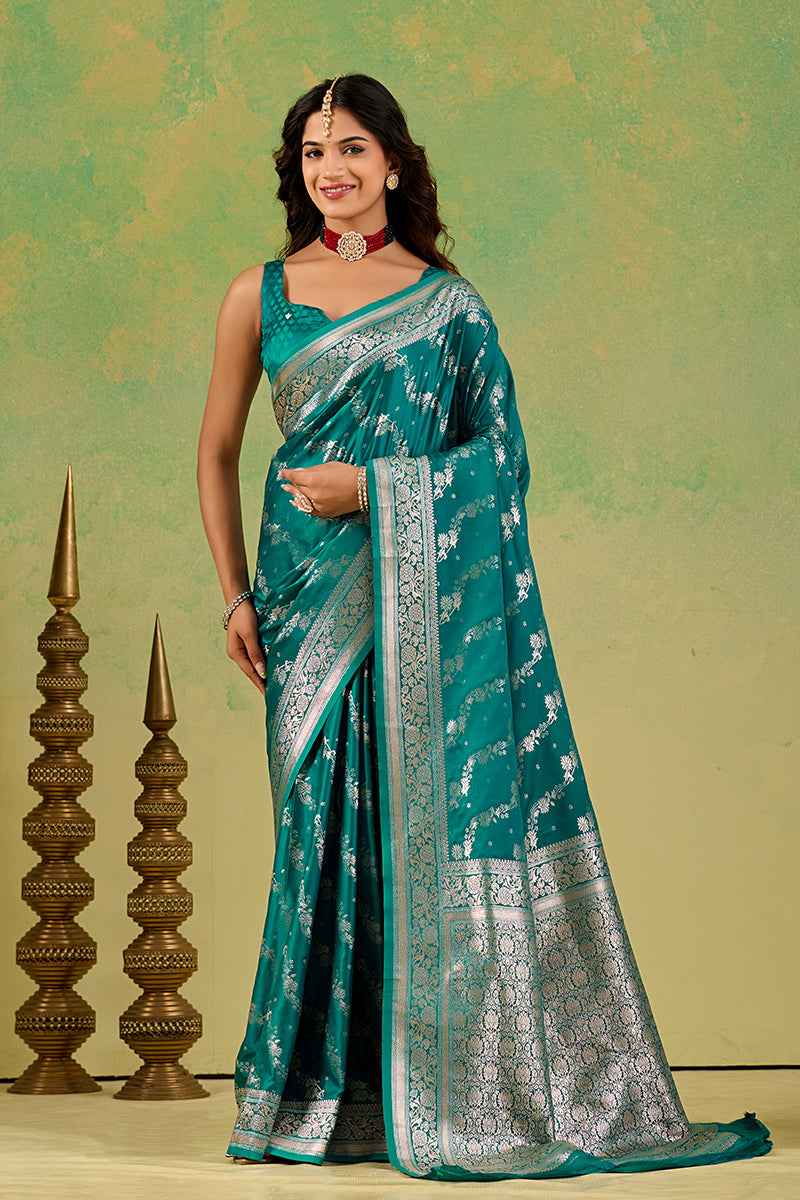

TARINI
Sale price₹2,249
Regular price₹3,799
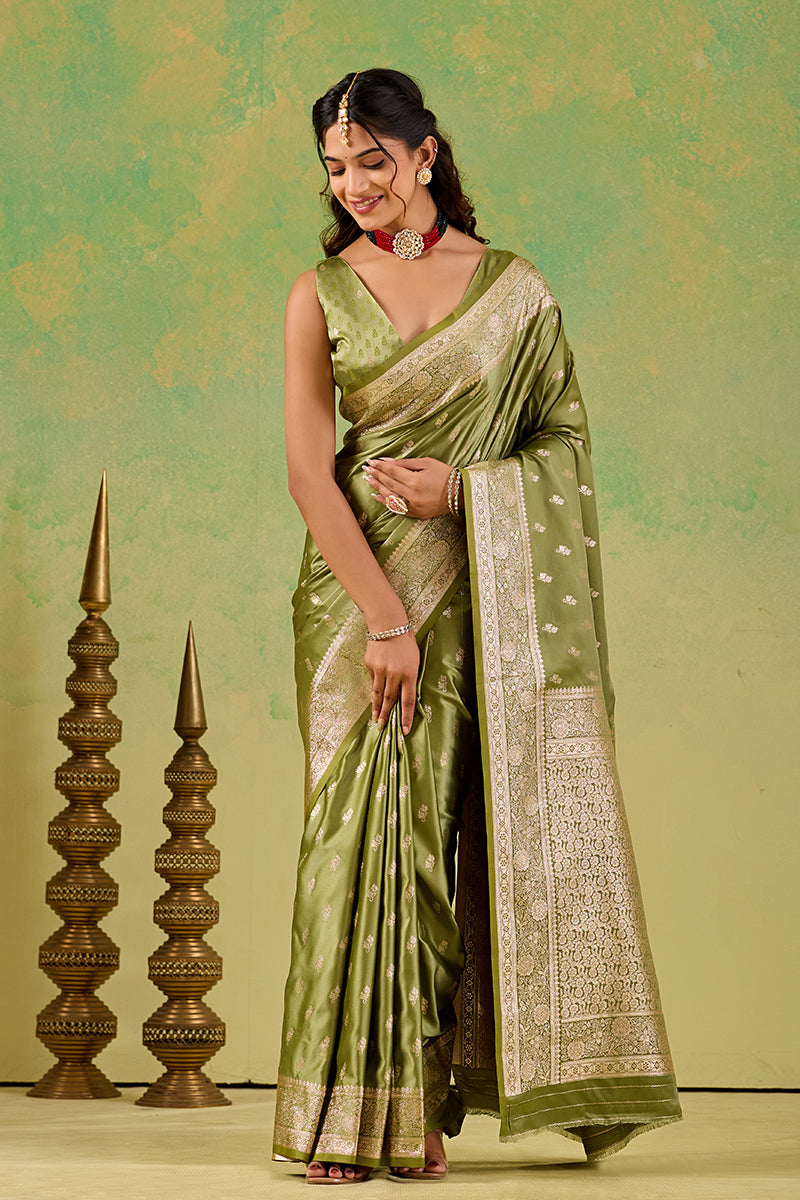

VEDIKA
Sale price₹2,249
Regular price₹3,799
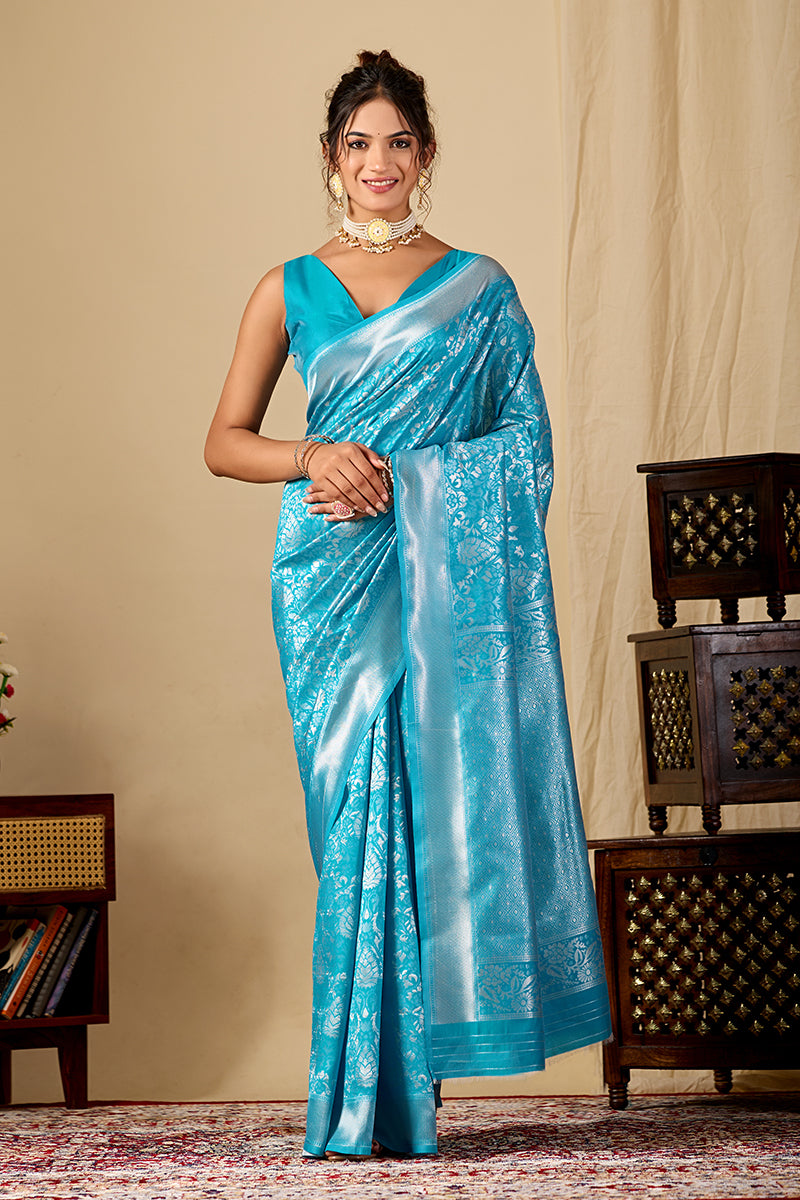

AARINI - SKY
Sale price₹999
Regular price₹1,899
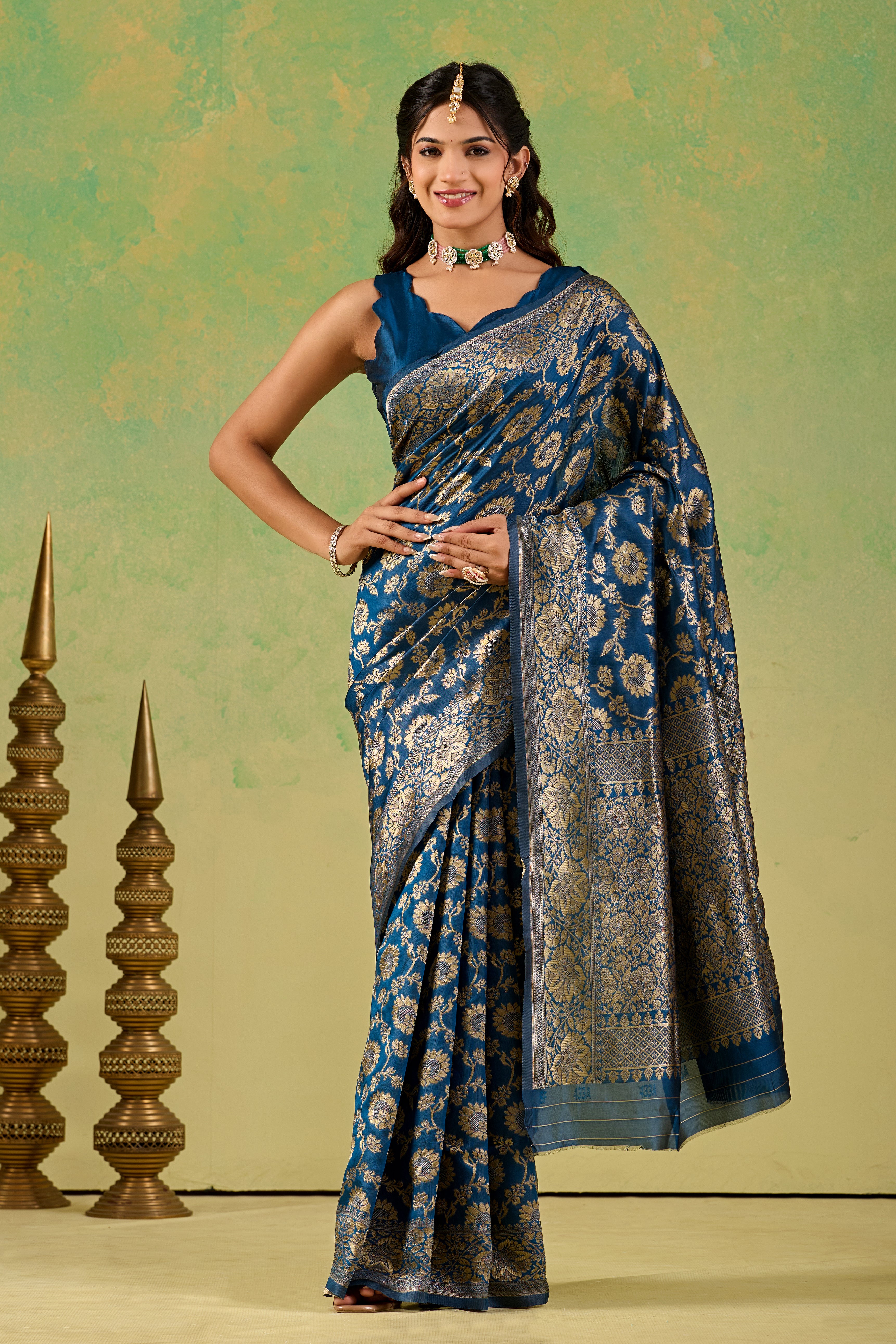

AARINI - NAVY
Sale price₹999
Regular price₹1,899
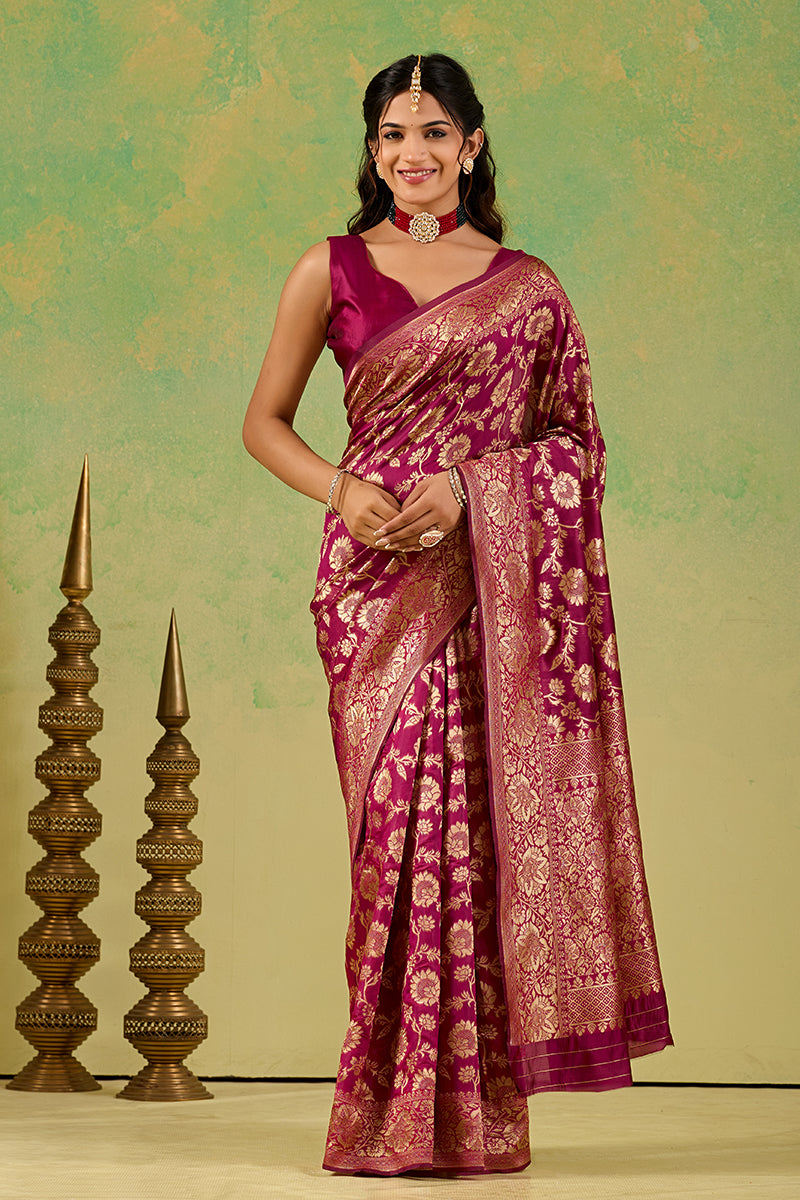

AARINI - PURPLE
Sale price₹999
Regular price₹1,899
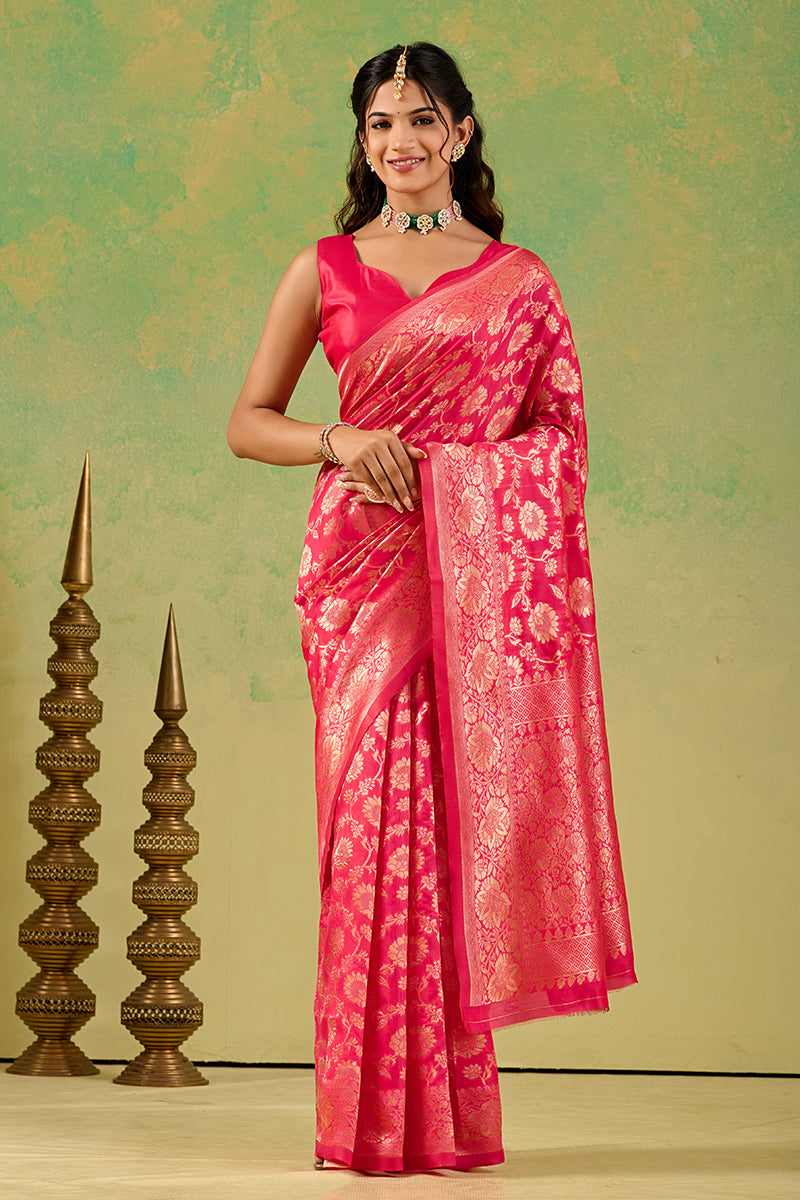
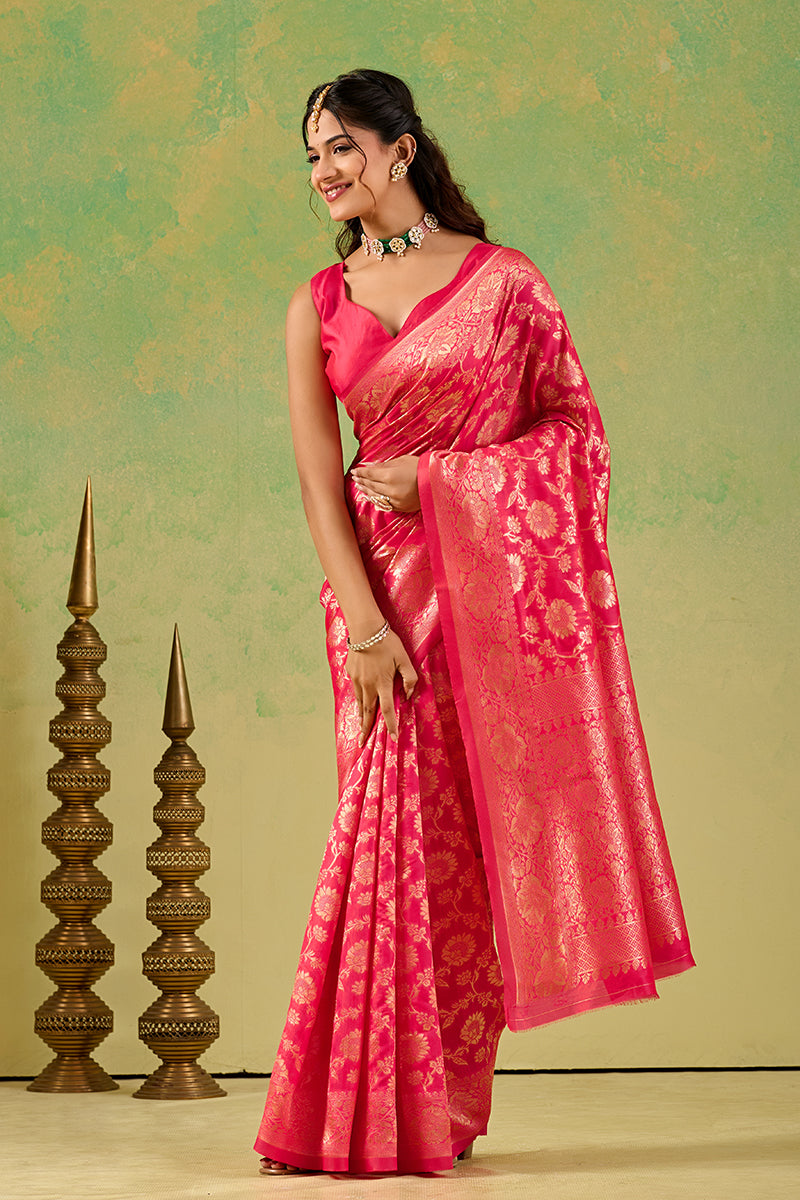
AARINI - RED
Sale price₹999
Regular price₹1,899
The Technical Artistry of Kanjivaram Silk Saree
The Kanjivaram silk saree is defined by its structural integrity and the specific "two-warp" weaving technique used in Kanchipuram. Unlike lighter silks, a genuine Kanjivaram is distinguished by its weight, durability, and the use of high-denier mulberry silk.
How to Identify a Pure Kanjivaram Silk Saree
Authenticity in silk weaving is determined by the materials used in the warp and weft. Buyers should use these technical tests to verify quality:
The Zari Composition Test
Authentic Kanjivaram zari is made by winding a silver wire over a silk thread and then dipping it into pure gold. To verify this, gently scratch the zari; if the core thread is red silk, it indicates genuine silver-gold plating. If the core is white or synthetic, it is "tested zari" or copper-based imitation.
The Silk Thread Burn Test
Pure mulberry silk is a protein fiber. When a thread is burned, it should smell like burnt hair and leave behind a black, powdery ash that crumbles easily. Synthetic substitutes will melt into a hard plastic bead and produce a chemical odor.
Factors Influencing Kanjivaram Silk Saree Price
The valuation of these sarees depends on the purity of materials and the complexity of the weave.
- Silk Quality: The use of 3-ply or 4-ply mulberry silk increases both the weight and the price of the garment.
- Zari Purity: "Pure Zari" (Silver and Gold) is significantly more expensive than "Half-Zari" or "Tested Zari" (Copper/Plastic).
- Weaving Complexity: Intricate hand-woven motifs like the Jangla or Vanam Singaram require more time and skill, increasing the final cost.
Maintenance and Preservation of Heritage Silk
To ensure the longevity of high-quality silk, proper storage is essential.
Storage Requirements
Avoid Plastic: Never store pure silk in plastic bags, as the trapped moisture can cause the silver in the zari to oxidize and turn black.
Cotton Wrap: Wrap the saree in a clean, unbleached cotton or muslin cloth to allow the fibers to breathe.
Refolding: Periodically take the saree out and change the fold lines every 3–4 months to prevent the silk from cracking at the creases.